)
Polesaver® Achieves Code Approval for Rot-Guard™ Ground-Line Barrier
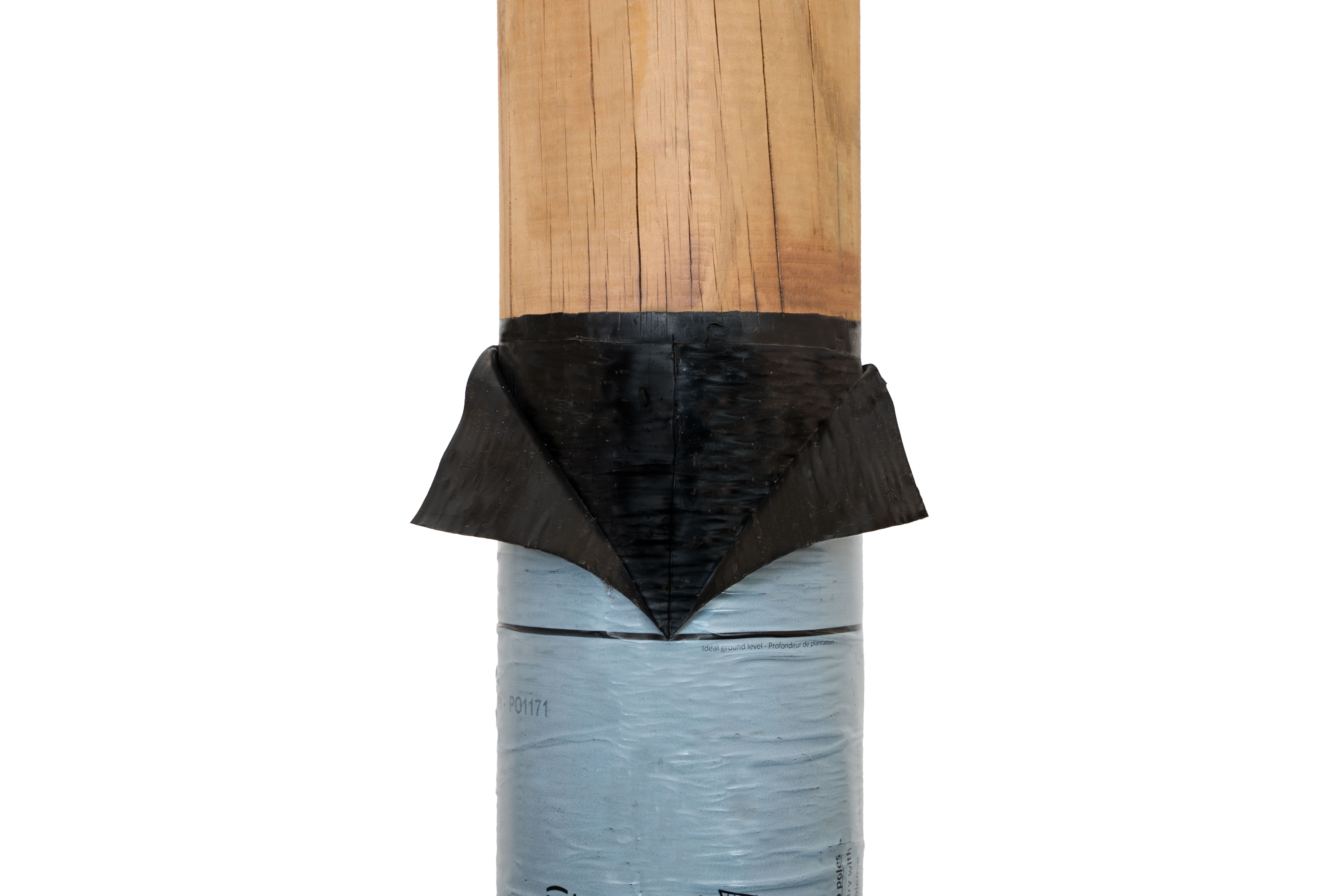
In accordance with the American Wood Protection Association (AWPA) U1 standard, Rot-Guard™ is suitable for structural applications under UC4B Ground Contact use, making it appropriate for utility and building poles in areas subject to wood decay and insect attack.
“For over 30 years, we’ve developed products we’re truly proud of, subjecting them to rigorous real-world and independent laboratory testing,” said Richard George, CEO of Polesaver. “Every test has demonstrated the effectiveness of our product. It is incredibly gratifying to see this validated in an independent Technical Evaluation Report, which is publicly available for utilities and engineers to reference. This provides clear, verified assurance that Rot-Guard™ sleeves are a proven solution for protecting pole assets across the USA.”
For utilities and distribution network operators facing pressure to maximise asset life, reduce unplanned interventions, and control costs, this code approval will fast track the adoption of Rot-Guard™ into their infrastructure plans.
The approval reinforces the value of barrier sleeves in protecting critical assets, reducing maintenance intervals and extending the service life of utility poles.
About the International Code Council® (ICC)
The International Code Council® (ICC) is a major US-based,
nonprofit organization that develops model codes and standards, including the
I-Codes, used in the design, construction, and compliance process to ensure
safe, sustainable, affordable, and resilient structures. Headquartered in
Washington, D.C., it serves as a leading resource for building safety
professionals, providing codes, product evaluation, testing, certification, and
training.